Strategic Framework: Integrating Ancestral Engineering into Modern Climate Adaptation
Last reviewed:
By Juan Salva | Orbis Management
In an era defined by erratic weather patterns, severe droughts, and intensified flooding, modern civil engineering is increasingly looking toward nature-based solutions (NbS). However, these frameworks have deep roots in the millenary history of Latin American and Caribbean civilizations. Long before modern infrastructure, indigenous societies developed highly sophisticated systems for ecohydrology, soil management, and thermal regulation that offer vital lessons for today's climate challenges.
1. Water Harvesting and Regulation: Amunas and Qochas
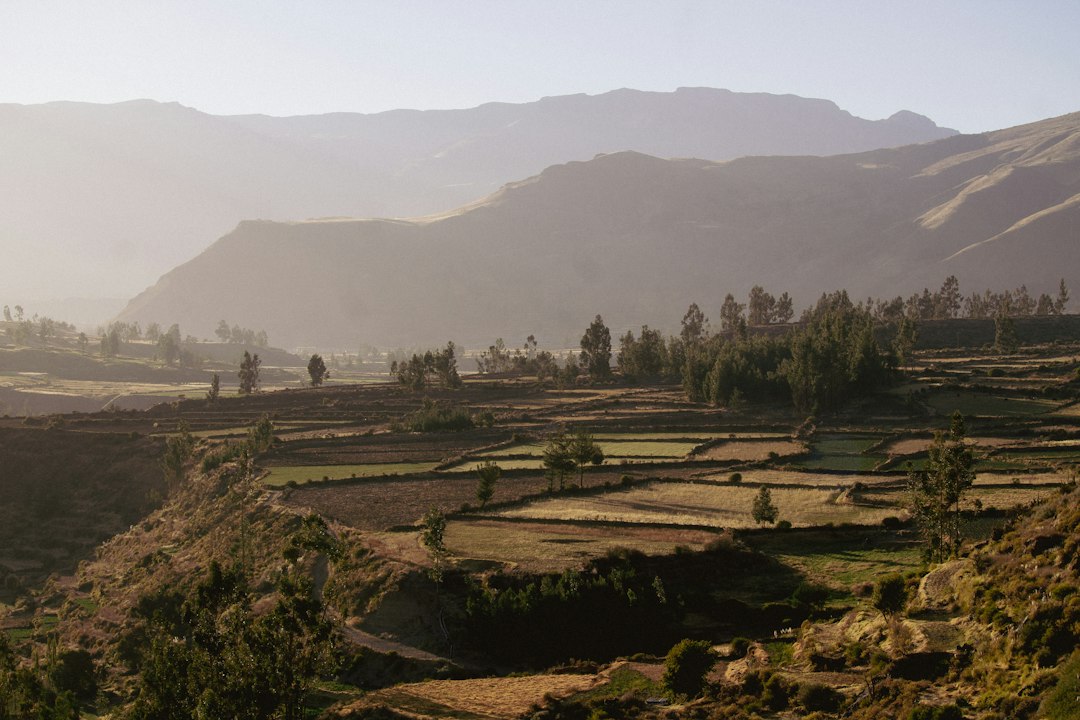
The Andean highlands of Peru, where ancestral terracing and water-management systems were developed (illustrative image: Colca Canyon).
In the high Andes, pre-Inca cultures designed Amunas—infiltration canals that capture rainfall and guide it underground, effectively "sowing" water to resurface as springs during the dry season. Complementing these are Qochas, small reservoirs built in natural hollows of the highlands and dammed to capture rainwater, which is stored for farming or left to seep in and recharge aquifers (IICA). These ancestral hydrological frameworks act as massive, decentralized sponges.
2. Agroecological Resilience: Chinampas and Waru Waru

The Chinampas of Xochimilco—highly productive, wetland-raised beds utilized by the Aztecs (illustrative image: Xochimilco, Mexico).
The Chinampas of Mexico are artificial islands built up from lake mud and vegetation in shallow lakes and anchored to the lakebed (often called “floating gardens,” though they do not float), creating closed-loop nutrient cycles and maintaining moisture in drought. Similarly, the Waru Waru (raised beds) of the Andean altiplano utilize surrounding water channels to absorb heat during the day and release it at night, naturally protecting crops from extreme frost.
3. Applications for the Southeastern United States
For the Southeastern United States, where heavy rainfall alternates with heatwaves and agricultural run-off threatens aquifers, these ancestral frameworks offer highly relevant, scalable models. Forward-thinking companies in the region are already pioneering modern equivalents of these systems:
- Florida: EarthBalance specializes in ecosystem restoration and wetland planting, echoing the biological principles of the Chinampa system for nutrient management and coastal resilience.
- Georgia: Aquascape Environmental, based in Woodstock, provides lake and pond management.
- Alabama: Goodwyn Mills Cawood (GMC) integrates environmental engineering with landscape architecture, designing modern retention and green infrastructure systems reflecting the Amunas' infiltration tactics.
4. Recommended Think Tanks & Non-Profits
To deepen your understanding of regional climate resilience and sustainable water management, we recommend engaging with these premier organizations in the Southeast:
- The CLEO Institute (Florida) - A non-profit dedicated to climate crisis education and advocacy, focusing on resilient communities.
- Georgia Conservancy (Georgia) - Advocates for the protection of Georgia’s natural resources, promoting sustainable land use and water conservation.
- Alabama Water Institute (Alabama) - A leading research institute focusing on water security, predicting extreme events, and developing sustainable management practices.
Questions about your market-entry plan?
Orbis Management helps Latin American exporters selling to the U.S., and U.S. businesses entering Latin America, assess markets, partners and incentives. Get in touch to discuss your situation.
Legal Disclaimer: The information provided in this blog post by Orbis Management is for educational and informational purposes only and does not constitute professional engineering, environmental, legal, or financial advice. While we strive to provide accurate and up-to-date information, Orbis Management makes no representations or warranties of any kind regarding the completeness, accuracy, or suitability of this content. Any reliance you place on such information is strictly at your own risk. Hyperlinks to third-party companies, think tanks, or organizations do not imply a direct partnership, sponsorship, or endorsement by Orbis Management.
© 2026 Orbis Management. All rights reserved.