Agricultural & Biofuel Market Dynamics in South America
Last reviewed:
A USDA‑sourced briefing for U.S. exporters and partners • Prepared by Juan Salva for Gestión Orbis
I. Executive Summary
Recent USDA FAS reports signal structural shifts: Argentina cut export taxes on key crops and by-products in July 2025 and, in June 2026 (Decree 423/2026), set staged further reductions through 2028, improving farm margins and the medium‑term export outlook. Colombia’s mature biofuels program is steady at E10/B10 but is pivoting to Sustainable Aviation Fuel (SAF) with a national roadmap launched in January 2025 and new investment signals. Chile remains a fruit‑export powerhouse built on U.S. plant genetics and IP protection. Venezuela, Ecuador, and Peru each present targeted opportunities for U.S. value‑added foods but require careful navigation of competition, price sensitivity, and regulatory processes.
II. Key Themes & Facts
A) Argentina — Liberalization & Export Duties Policy
- Export duties (updated October 8, 2026): The July 27, 2025 cuts (soybeans 33%→26%, soybean by-products 31%→24.5%, corn and sorghum 12%→9.5%; USDA FAS AR2025-0012) have since been superseded. Decree 423/2026, published in Argentina’s Boletín Oficial on June 3, 2026, cut wheat and barley to 5.5% immediately and schedules soybeans at 24% and corn at 8.5% in 2026, with staged reductions to 15% for soybeans and 5.5% for corn by December 2028 (Beccar Varela summary). Rates differ by product; check the decree’s annexes for soybean by-products and other lines.
- RIGI & April 2025 reforms: Measures to stabilize macroeconomy and improve investment climate (exchange‑rate unification, eased trade frictions). FAS.
B) Argentina — Biofuels Stagnation & Bills Biofuels
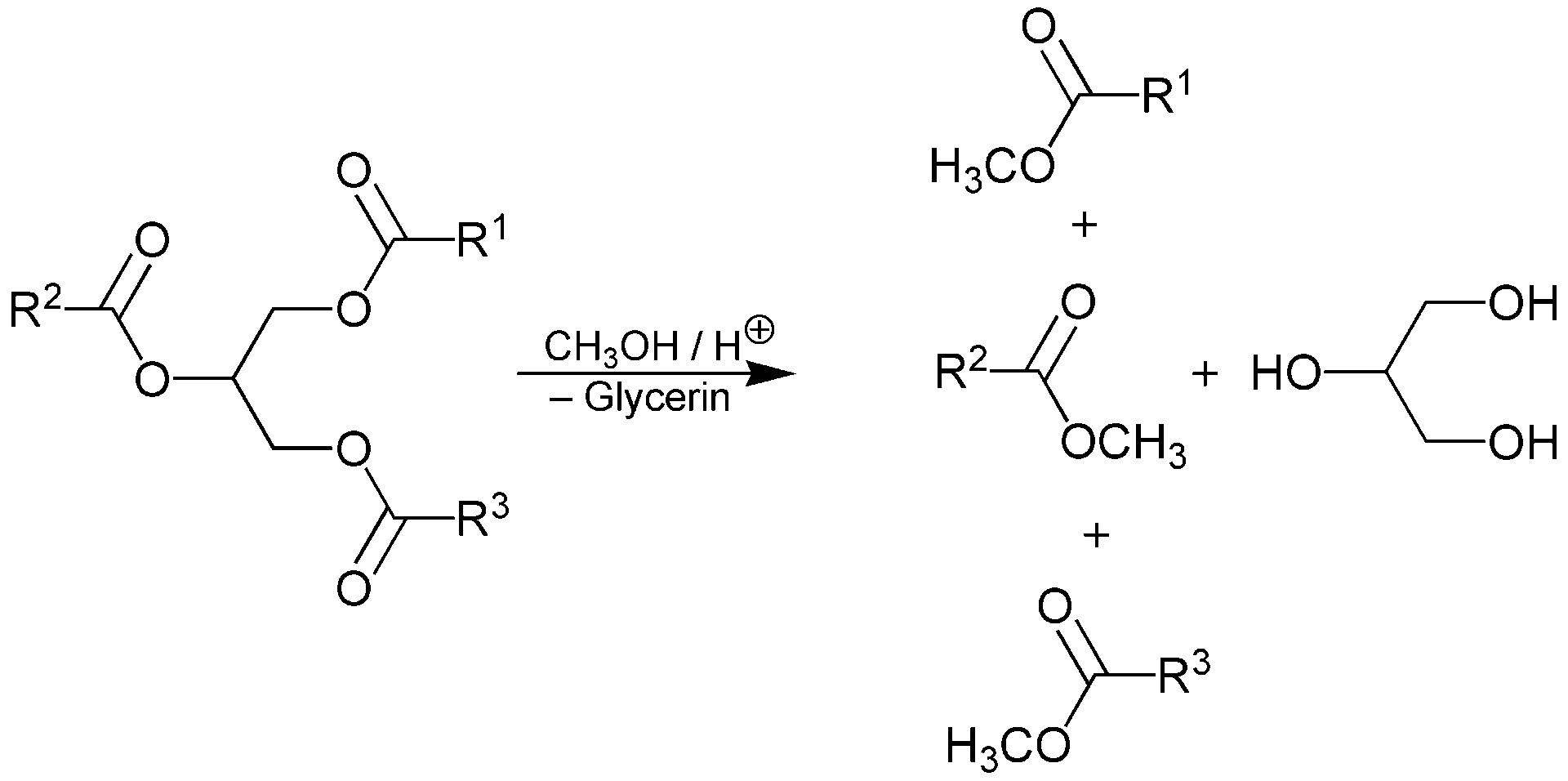
- Biodiesel 2025: ~1.2B liters; exports near 20‑year low; capacity use <30%; soy oil dominant feedstock. Policy bills (late‑2024) propose liberalizing mandates/prices and gradually raising blends; provincial bill targets E15 by 2026 and B15 by 2028. (Compiled from USDA FAS Biofuels Annual series.)
C) Colombia — Biofuels Program & SAF
- Blend mandates: E10 and B10 in effect; ethanol ~955 ML consumption with U.S. imports significant; biodiesel ~795 ML supplied domestically (palm). CO2025‑0015.
- SAF roadmap: Goal of 100M gal by 2035 and 450M gal by 2050; Ecopetrol test SAF production began in late‑2024 and new investments announced in 2025 (Reuters).
D) Chile — Fruit Powerhouse & U.S. Genetics
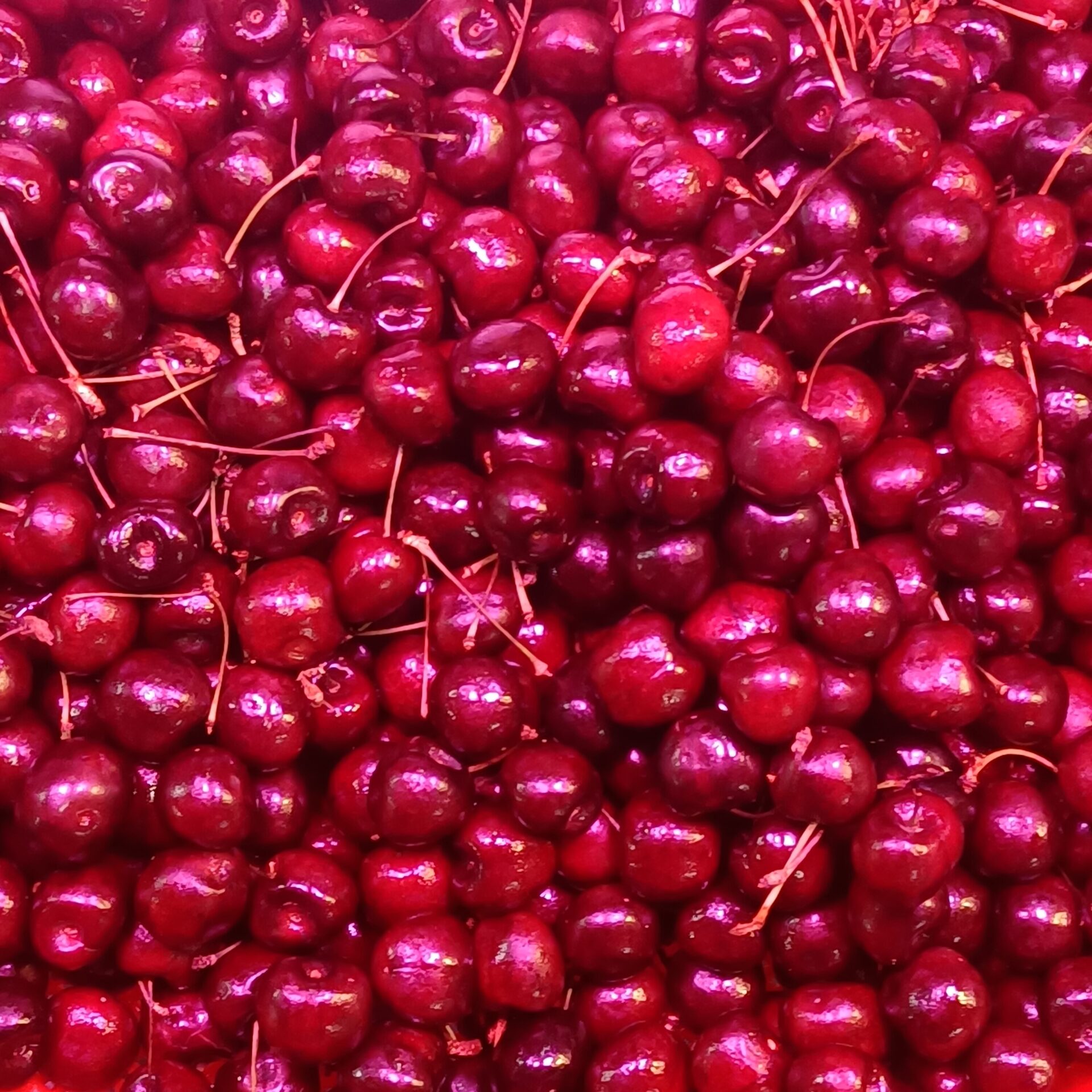
- U.S. plant material underpins exports: Grapes, apples, cherries, and blueberries rely heavily on American varieties and robust IP. 2024 export values include grapes (~$938M), apples (~$582M), blueberries (~$479M), cherries (~$3B to China). Source: USDA FAS “The Role of U.S. Innovation in the Chilean Agricultural Boom” (CI2025‑0018 PDF).
E) Opportunities & Challenges — Venezuela, Ecuador, Peru
- Venezuela: Growing brand awareness but tariff hikes on select foods; opportunities in food preps, dairy, pet food, and pork. VE2025‑0010.
- Ecuador: Dollarized market; Jan–Apr 2025 U.S. food/ag exports +27.4% YoY; prospects in ingredients, fruits, confectionery. EC2025‑0008.
- Peru: Fourth‑largest South American market for U.S. ag; strong demand for consumer‑oriented products; PTPA duty‑free access on many lines. PE2019‑0033.
III. Practical Resources & Partners (U.S. Southeast)
The links below point to small businesses (SBA‑sized) that supply relevant products/services, plus Southeastern think tanks/non‑profits with useful publications.
Small Companies (Florida • Georgia • Alabama)
- Florida: Florida Biodiesel, Inc. — biodiesel processors & kits, Clearwater. Product example.
- Georgia: Clean Energy Biofuels — used cooking oil collection, grease services, and in‑house biodiesel production, Monroe, GA.
- Alabama: Duda Energy (DudaDiesel) — biodiesel/alternative‑energy supplies, Decatur, AL. Contacto.
- Alabama (ag supply alternative): Garrison Farm & Home Center — locally owned farm inputs (feed, seed, fertilizer, fencing), Thorsby, AL.
Think Tanks & Non‑profits (Southeast)
- UGA Center for Agribusiness & Economic Development — Georgia ag economy & bioenergy publications.
- UF/IFAS (Ask IFAS) — biofuel concepts & policy overviews; see U.S. biofuel policy primer.
- Duke Nicholas Institute — Southeast bioenergy & biomass policy analysis.
- Southern Alliance for Clean Energy (SACE) — Southeastern clean‑energy policy reports.
Image Strip (Public Domain / Open License)
Questions about your market-entry plan?
Orbis Management helps Latin American exporters selling to the U.S., and U.S. businesses entering Latin America, assess markets, partners and incentives. Get in touch to discuss your situation.
Helpful resources
IV. Conclusion
Across South America, policy normalization in Argentina, SAF‑focused innovation in Colombia, and fruit‑sector competitiveness in Chile frame diverse—but navigable—opportunities for U.S. firms. In Venezuela, Ecuador, and Peru, demand exists for high‑quality, consumer‑oriented products, yet price and compliance dynamics require disciplined, local‑partnered approaches. Orbis Management supports clients with evidence‑based, on‑the‑ground strategies anchored in current USDA, DOE and reputable sources.
Sources and resources referenced in this article
- USDA FAS
- Sustainable Aviation Fuel (SAF)
- USDA FAS AR2025-0012
- Beccar Varela summary
- Reuters
- VE2025‑0010
- EC2025‑0008
- PE2019‑0033
- Florida Biodiesel, Inc.
- Product example
- Clean Energy Biofuels
- Duda Energy (DudaDiesel)
- Contacto
- Garrison Farm & Home Center
- UGA Center for Agribusiness & Economic Development
- UF/IFAS (Ask IFAS)
- U.S. biofuel policy primer
- Duke Nicholas Institute
- Southern Alliance for Clean Energy (SACE)
Disclaimer: The information provided in this article is for educational and informational purposes only and does not constitute legal, financial, or trade advice. Orbis Management makes no representations as to the accuracy, completeness, or suitability of this information. Readers are advised to consult with professional legal and financial counsel prior to making any investment or operational decisions.