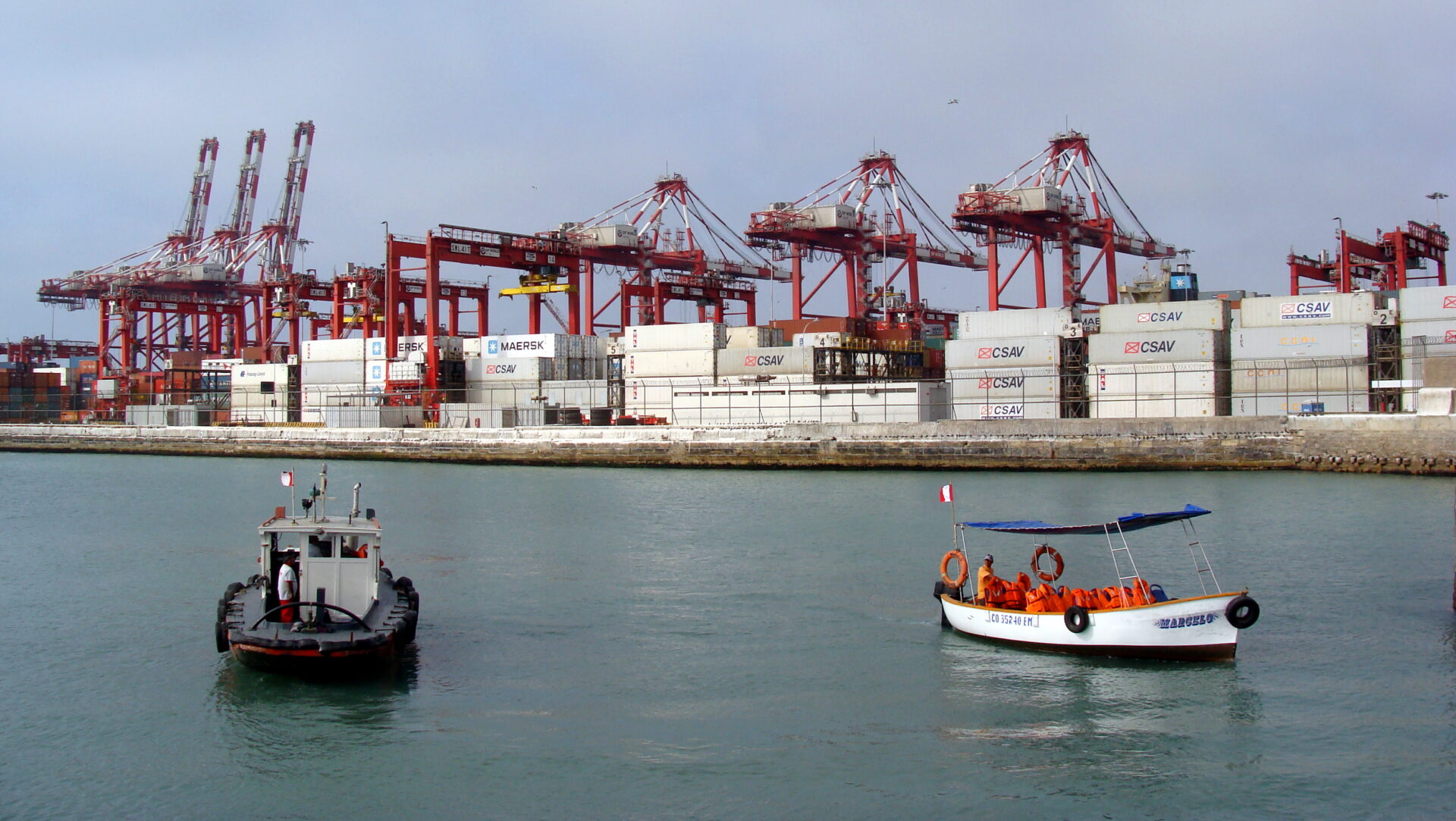
Peru Market Entry guide for Small U.S. Exporters
Peru Market Entry Guide for Small U.S. Exporters
By Juan Salva · Orbis Management
This blog post summarizes key opportunities from the U.S. International Trade Administration’s Peru Country Commercial Guide and translates them into practical steps for small U.S. firms—especially those based in Florida, Georgia, and Alabama—looking to enter or expand in the Peruvian market.
1. High-Growth Sectors Highlighted in the Peru Country Commercial Guide
According to the Peru Country Commercial Guide prepared by the International Trade Administration, several sectors show particularly strong prospects for U.S. suppliers, driven by Peru’s infrastructure gap, its role as a major mining producer, and the modernization of healthcare and public security systems.
Infrastructure Development
Peru faces a substantial infrastructure deficit and has prioritized investment in transportation, logistics, ports, water and sanitation, and social infrastructure. This creates demand for engineering services, construction equipment, materials, and project-management solutions from experienced U.S. firms.
Mining Equipment and Services
As one of the world’s top producers of copper, silver, and other minerals, Peru continues to invest in open-pit and underground mines. The Guide identifies ongoing demand for heavy equipment, spare parts, maintenance services, wear-resistant materials, and safety solutions that improve productivity and environmental performance.
Medical Devices and Healthcare Technologies
Peru’s healthcare system relies heavily on imported medical devices and diagnostics. Opportunities exist for imaging equipment, monitoring devices, telemedicine solutions, and hospital management technologies, especially those that can reach underserved regions outside Lima.
Safety and Security Solutions
Growing concerns about crime and the protection of critical infrastructure drive demand for video surveillance, access control, alarms, cybersecurity, and integrated command-and-control platforms. U.S. safety and security technologies typically compete well on quality and lifecycle value.
Digital Economy and ICT
The Country Commercial Guide notes Peru’s push to expand broadband, upgrade telecommunications networks, and digitize public services. This creates openings for cloud services, cybersecurity, fintech, e-commerce platforms, and specialized software solutions adapted to Spanish-speaking Latin America.
Value-Added Food and Agricultural Inputs
Peru is a major exporter of fruits, vegetables, and specialty crops. U.S. small businesses can support the sector by supplying food ingredients, processing and cold-chain equipment, packaging, and agricultural inputs such as seeds and supplements that meet Peruvian and international standards.
2. Example Small U.S. Suppliers in Florida, Georgia, and Alabama
Below are illustrative examples of small U.S. firms that align with the sectors highlighted in the Peru Country Commercial Guide. Company information is based on publicly available sources at the time of writing; firms should be contacted directly to confirm capabilities and current small-business status.
Florida
-
Heavy Equipment Resources of Florida, Inc. (HERO FL) – Jacksonville, FL
A specialized exporter of components and spare parts for the global mining industry, offering new, remanufactured, and used parts for engines, transmissions, and hydraulic systems. HERO FL has been recognized by the U.S. Small Business Administration as an Exporter of the Year in Florida and the Southeast region, underscoring its role as a successful small exporter serving large mining projects worldwide. -
Performance Equipment & Supplies, Inc. – Royal Palm Beach, FL
A small distributor and exporter of construction and mining equipment, vehicles, parts, and engines serving customers throughout the Caribbean, Central America, and South America. Public business listings indicate only a handful of employees and modest annual revenue, consistent with SBA small-business size standards for equipment distributors.
Georgia
-
Amexsa Corp – Georgia
Listed in the Export Georgia, USA directory as an export trading company handling packaged foods, health and beauty products, OTC medicines, and selected medical devices. Its focus on diversified, consumer-ready products makes Amexsa a potential partner for supplying pharmacies, supermarkets, and distributors in Peru’s growing middle-class market.
Alabama
-
Valley Rubber – Alabama
A privately held manufacturer of custom rubber solutions for mining and industrial applications. According to the Alabama Small Business Development Center, Valley Rubber has used State Trade Expansion Program (STEP) grants and Export Alabama support to grow exports to Mexico, Canada, Chile, Peru, Australia, and China. Its wear liners and transfer chutes align directly with Peru’s mining sector needs.
3. Federal Programs That Can Help Finance Peru Deals
Small U.S. exporters in Florida, Georgia, and Alabama can tap multiple federal tools to reduce risk and finance export growth into Peru.
-
SBA Export Express, Export Working Capital Program, and International Trade Loan –
SBA provides government-backed guarantees on export-focused loans, including Export Express (up to USD 500,000 with fast approvals), Export Working Capital (up to USD 5 million to finance export orders, inventory, and receivables), and International Trade Loans that combine fixed assets and working capital with up to a 90% SBA guaranty for eligible small firms. -
SBA 7(a) Working Capital Pilot Program –
Allows small firms to finance both domestic and international orders under a single facility, lowering the barrier for “new-to-export” companies to start serving markets like Peru. -
Export-Import Bank of the United States (EXIM) Working Capital Loan Guarantee –
EXIM guarantees a significant portion of a lender’s export working-capital facility, enabling banks to lend against export-related inventory and foreign accounts receivable. EXIM also offers medium- and long-term loan guarantees so Peruvian buyers can finance U.S. capital equipment purchases while U.S. exporters are paid at shipment. -
U.S. State Trade Expansion Program (STEP) –
Managed by SBA’s Office of International Trade, STEP provides funds to states to reimburse eligible small businesses for costs such as international trade shows, missions, marketing, translation, and export-training activities.
4. State-Level Export Support in Florida, Georgia, and Alabama
Florida
- Florida SBDC STEP Grant Services – The Florida SBDC Network administers STEP-funded services that reimburse eligible small exporters for approved trade-show and mission travel costs, product sample shipments, export credit insurance fees, translations, and export marketing activities.
- SelectFlorida Trade Grants – Through the Florida Export Diversification & Expansion program, SelectFlorida offers grants that help qualified companies participate in trade shows, trade missions, and export marketing initiatives aimed at opening or expanding overseas markets such as Peru.
Georgia
- Go Global Georgia / Georgia Export Grant – Georgia’s implementation of the STEP program provides grants—often up to several thousand dollars—to help eligible small businesses offset international marketing, trade-show, and mission expenses. The initiative is run by the Georgia Department of Economic Development’s International Trade division.
- GDEcD Export Assistance and UGA SBDC International Trade Services – The Georgia Department of Economic Development and the University of Georgia Small Business Development Center provide customized export counseling, market research, and training to help small firms evaluate demand in markets such as Peru and structure their export plans.
Alabama
- Export Alabama and the Alabama Department of Commerce Office of Global Business – This statewide network offers trade education, export finance assistance, customized market research, and trade missions to help Alabama companies expand internationally, including to Peru.
- Alabama STEP Grant – Administered by the Alabama Department of Commerce using SBA STEP funding, this grant reimburses eligible small businesses for participation in international missions and trade shows. Companies such as Valley Rubber have used the Alabama STEP program to attend mining trade shows in Chile and Peru and to certify operations for export growth.
- Alabama SBDC / Alabama International Trade Center – Provides one-on-one export counseling, market research, and export-finance guidance for small firms statewide, with a strong track record helping manufacturers enter Latin American markets.
5. How Orbis Management Can Support Your Peru Strategy
Orbis Management works with small U.S. companies to interpret resources like the Peru Country Commercial Guide, prioritize target sectors, and build actionable market-entry and funding strategies. For firms in Florida, Georgia, and Alabama, we help align your offerings with Peru’s demand, prepare lender-ready export plans, and coordinate with state and federal partners so you can move from “interested in Peru” to “actively shipping” with confidence.
Ready to Explore Peru for Your Small Business?
Get a free, one-page Peru Readiness Checklist customized for small exporters in Florida, Georgia, and Alabama, plus direct links to the best free public resources.
What you’ll receive
- A one-page Peru Readiness Checklist tailored to your sector.
- A short list of relevant SBA, EXIM, and STEP tools you can apply for.
- Links to sector-specific sections of the Peru Country Commercial Guide.
Request your free checklist
Legal Notice: This blog post is provided by Orbis Management for general informational purposes only and does not constitute legal, tax, financial, or investment advice. While information is based on publicly available sources believed to be reliable at the time of writing, programs, eligibility criteria, and market conditions may change without notice. Readers should verify all information directly with official agencies, financial institutions, and professional advisors before making business or financing decisions.
Mention of specific companies, programs, or organizations does not constitute endorsement or a business recommendation by Orbis Management. All trademarks and company names are the property of their respective owners.
By using this content, you agree that Orbis Management shall not be liable for any loss or damage arising from your reliance on the information provided. Always consult qualified professionals regarding your specific circumstances.