Beyond the Beef — MERCOSUR

Beyond the Beef: 5 Surprising Truths About South America's MERCOSUR Trade Bloc

Beyond the Beef: 5 Surprising Truths About South America’s MERCOSUR Trade Bloc

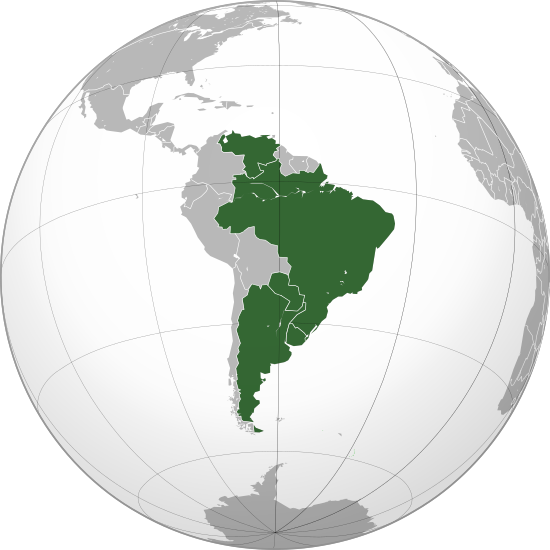
MERCOSUR membership map
Map of MERCOSUR (Wikimedia Commons, public domain/CC where noted)

When MERCOSUR enters the international conversation, it’s often as a byword for political infighting—or as the other half of the long, stop‑and‑go negotiations with the European Union. Headlines fixate on quotas and tariff lines. But that surface-level view misses the bloc’s more consequential dynamics: how it taxes (and sometimes hampers) its own farm champions; how climate policy has become a trade battlefield; how Brazil exports social policy know‑how—not just soy; how technicians quietly knit the region together; and how a divided bloc can still act ambitiously abroad.

1) An Agricultural Superpower… Fighting with One Hand Tied

A tale of two farm policies: OECD monitoring shows the EU’s farm support (Producer Support Estimate, PSE) has historically been many times higher than in MERCOSUR. By contrast, MERCOSUR countries liberalized over the 1990s–2000s, cutting tariffs and supports. Argentina has even taxed key farm exports—most recently pausing and then re‑applying export taxes on grains and by‑products after a brief suspension in late September 2025. For current EU PSE methodology, see the OECD’s latest EU support estimates.

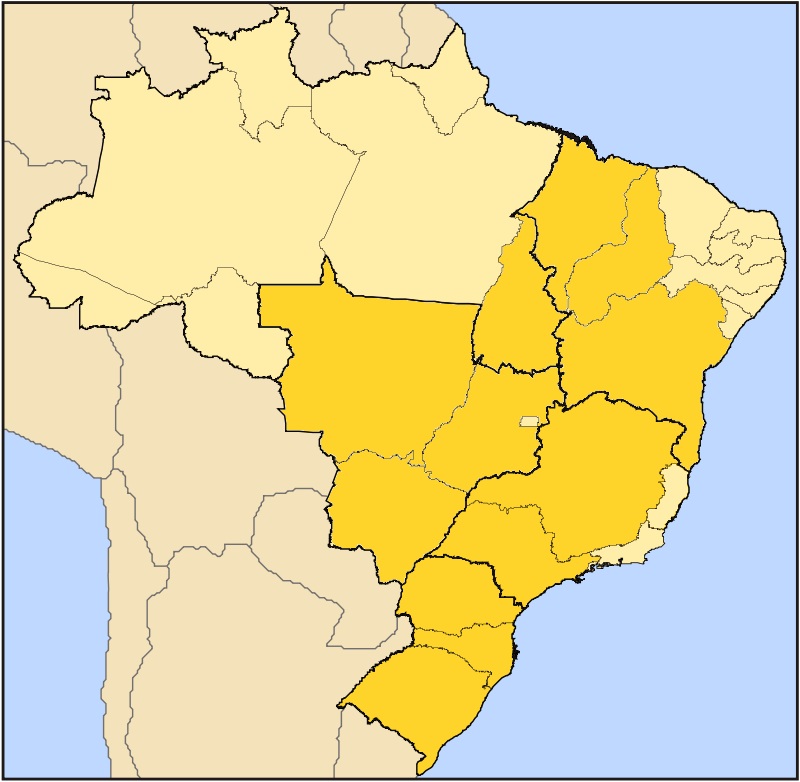
Brazil soybean production regions
Brazil’s soybean production regions (Wikimedia Commons, CC BY‑SA 4.0)

2) The EU Deal Isn’t Just Tariffs—It’s a Climate Policy Chessboard

Legal analyses flag a controversial “rebalancing mechanism” in the draft EU–MERCOSUR agreement—potentially allowing parties to respond if new policies (including green rules) “substantially impair benefits.” See the 2025 briefing by the Veblen Institute here. By comparison, the EU–New Zealand FTA explicitly makes Paris‑Agreement breaches sanctionable (see the European Commission’s explainer here).

3) Brazil Exports More than Soy—It Exports Policy Blueprints

Brazil’s school‑feeding model links students’ right to food with procurement from family farmers (at least 30% by law). Through FAO‑backed South–South Cooperation, multiple neighbors have adopted school‑feeding laws inspired by Brazil—recent tallies cite Ecuador, Honduras, Guatemala, Paraguay and others (FAO 2024; FAO 2025; IDB 2023).

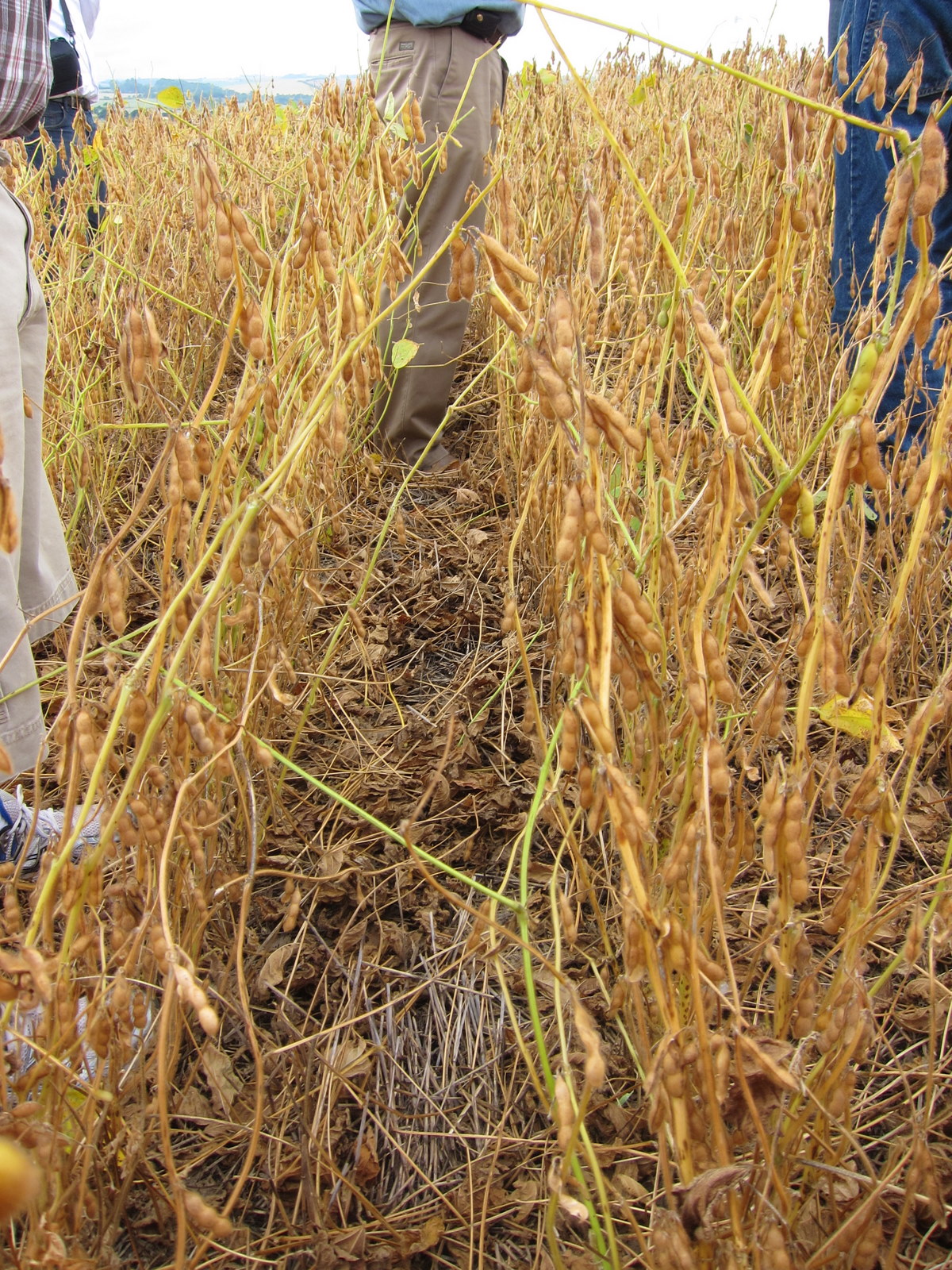
No-till soybeans in Brazil
No‑till soybeans in Brazil (Wikimedia Commons, CC BY‑SA 3.0)

4) While Leaders Argue, Technicians Are Weaving a Continent Together

“Hidden integration” advances through funds and projects even when high‑level politics stall. The MERCOSUR Structural Convergence Fund (FOCEM) finances cross‑border infrastructure—e.g., Uruguay’s Route 6 rehabilitation and Brazil’s Amambai ring road—while science platforms like BIOTECSUR coordinate regional biotech efforts (see also the IADB’s 2023 report on pragmatic cooperation).

Port of Santos container operations
Port of Santos — a MERCOSUR trade gateway (Wikimedia Commons, CC BY‑SA 4.0)

5) A Bloc of Contradictions: Internally Divided, Externally Ambitious

Even amid internal disagreements (e.g., on common external tariffs), MERCOSUR negotiates outward—pursuing pacts with the EU, EFTA, Canada, South Korea, and concluding one with Singapore. Debate over the EU pact’s sustainability provisions continues (CAN Europe legal analysis; Reuters explainer).

Vetted Small‑Business Partners (FL • GA • AL)

Notes: Listings emphasize firms that publicly market services to SMEs in the cited locales. Always verify SBA size‑standard eligibility (by NAICS) for procurement purposes.

Where to Read More (Southeastern U.S.)

  • UF Center for Latin American Studies — Latin American Business Environment (LABE): Annual reports & policy briefs on regional business climates. Publications.
  • FIU — Kimberly Green Latin American & Caribbean Center (LACC): Events and research including sessions on the EU–MERCOSUR agreement. Example event (2025).
  • Georgia Department of Economic Development (Trade): Guides and links to state/regional export assistance. State & local trade programs.

Free Mini‑Brief: “EU–MERCOSUR: What U.S. SMEs Should Watch in 2025–26”

Get a 2‑page checklist + links for grants and compliance resources.

Powered by Orbis Management. We help small exporters navigate policy risk, logistics and compliance.


Legal & Attribution. This article links to third‑party sources for current facts (e.g., OECD, European Commission, FAO, IDB, Reuters). External links are provided for convenience and do not imply endorsement. Images are from Wikimedia Commons or equivalent public repositories and used under their stated licenses. Always verify trade‑related requirements (tariffs, quotas, certifications) and SBA size standard eligibility for your NAICS code before transacting. Orbis Management does not provide legal advice; consult licensed counsel for binding interpretations of trade agreements or compliance obligations.

© 2025 Orbis Management. All rights reserved.