Navigating Peru’s 2026 Business Climate: Opportunities Amidst Institutional Shifts and Security Challenges
Peru in 2026 presents a landscape of stark dualities for business leaders and investors. The country is simultaneously grappling with a systemic security vacuum and building a global logistics powerhouse. With the inauguration of the Keiko Fujimori administration following the 2026 general election, the Peru 2026 business climate has experienced a decisive regime shift.
While the new administration offers a level of policy predictability unseen in previous cycles, strategic planning must account for a "fragile mandate." Fujimori secured a narrow 50.13% runoff victory, edging out Roberto Sánchez by roughly 50,000 votes. For operators and investors, success in this polarized climate requires navigating new institutional frameworks, severe operational hazards, and massive infrastructure opportunities.

A Return to Bicameralism and Regulatory Predictability
For the first time since 1993, Peru has returned to a bicameral legislative structure. Fujimori’s Popular Force (Fuerza Popular) has consolidated power, holding the largest plurality in both chambers: 41 of 130 seats in the Chamber of Deputies and 22 of 60 seats in the Senate.
This structural pivot aims to stabilize the regulatory framework. While the Chamber of Deputies handles bill initiation and political oversight, the restored Senate acts as the ultimate arbiter of the nation’s economic and regulatory environment. Crucially for institutional durability, the President cannot dissolve the Senate. The Senate also holds high-impact exclusive powers, including the election of directors for the Central Reserve Bank (BCRP), the Constitutional Court, the Comptroller General, and the Ombudsman, as well as the authority to approve presidential foreign travel and remove the President.
Human Rights Watch reported in July 2025 that Peru’s Congress had taken steps that undermined the independence and capacity of courts and prosecutors. Its Americas director, Juanita Goebertus, said the legislature’s actions had left millions of Peruvians more exposed to organized crime.
However, international analysts caution that this consolidation risks democratic backsliding. The environment is frequently described as a "hybrid regime," a dynamic that compliance and risk departments must monitor closely.
The Extortion Tax: Factoring in the Security Crisis
The escalation of organized crime remains the primary deterrent to foreign direct investment. The internal security collapse hit a tipping point on October 8, 2025, when the Círculo Militar de Chorrillos shooting catalyzed the impeachment of Dina Boluarte.
Today, extortion is no longer a marginal nuisance; it is a systemic "security tax" on all operations. Police data cited by Human Rights Watch show homicides rose by almost 137 percent between 2018 and 2024, and extortion complaints peaked in 2023 and stayed high in 2024. Cargo transport is among the sectors most exposed.
The Chancay Effect and Logistics Transformation
In sharp contrast to the domestic security crisis, Peru’s export economy is undergoing a massive transformation funded by Chinese capital. The Port of Chancay and its associated railway project have become the new backbone of the nation's logistics.
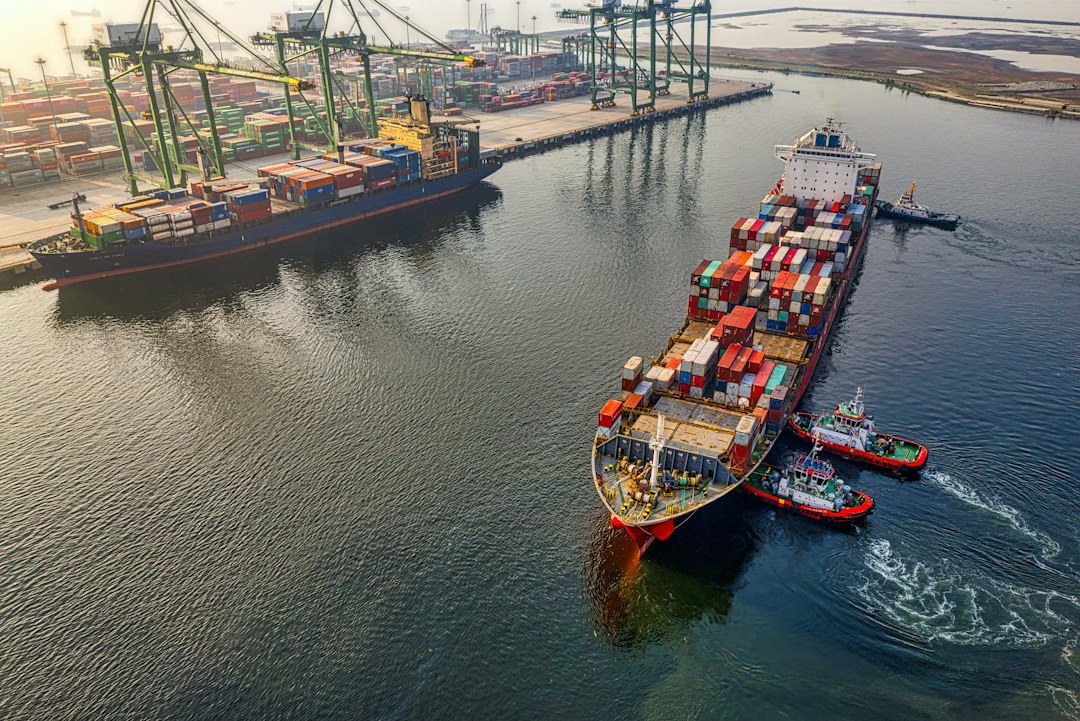
In early 2026, POWERCHINA—a foreign Chinese multinational—was awarded a $420 million Engineering, Procurement, and Construction (EPC) contract to build a 120-kilometer railway corridor. This rail line will connect the Port of Chancay directly to the resource-rich regions of Junín, Huancavelica, and Pasco, heavily reducing the cost and time of mineral transport. Primary beneficiaries include the Raura mine and Chinalco, another foreign Chinese multinational operating in the region.
However, observers like Diálogo Américas note that this integration carries "dependency risks." Chinese control over critical supply chains could limit Peru's future trade flexibility and increase Beijing's leverage over strategic sovereign assets.
Bridging Market Gaps with Local Partners
The intersection of state security failures, infrastructure influx, and a technocratic pivot has created distinct entry points for sophisticated investors. The stabilization of the Peruvian sol and the recent spike in US-listed mining stocks like Compañía de Minas Buenaventura, a locally headquartered Peruvian mining company, reflect early market confidence in the administration’s "order-first" agenda.
To navigate this landscape, businesses should look to partner with local, Peruvian-headquartered companies capable of filling the gaps the public sector currently cannot:
- Private Security & Intelligence Tech: To mitigate extortion risk and protect physical assets, traditional "States of Emergency" are proving ineffective. Firms must turn to private, technology-driven security solutions. Locally headquartered security leaders like Liderman and Hermes Transportes Blindados are well-positioned to protect personnel and supply chains in high-risk corridors.
- Mid-Mile Ancillary Services: The new Chancay-Junín railway corridor requires specialized maintenance and logistics to capture true value. Local Peruvian logistics operators, such as Ransa, have the established domestic footprint needed to solve logistics bottlenecks and provide seamless mid-mile services alongside international infrastructure.
- Advisory & Strategic Partnerships: The administration’s reliance on "Technocratic Cabinets" opens doors for strategic advisory. Corporate communication and institutional hedging are essential to counter disinformation and manage sensitivity around the narrow 50,000-vote victory margin. Establishing direct lines with Senate commissions overseeing BCRP and Comptroller General appointments is critical for anticipating regulatory shifts.
The rewards for investors who can bridge Peru's security and logistics gaps in 2026 are immense, provided they can strategically insulate their operations from the nation's underlying institutional volatility.