More Productive Brazil: How Lean Manufacturing Drives Firm Performance and Global Export Growth

Program Evaluation Report: The Impact of the ‘More Productive Brazil’ Program on Firm Performance and Global Export Growth

The trajectory of macroeconomic development within emerging markets is inextricably linked to the structural optimization of intra-firm productivity. Increasing aggregate productivity remains the only sustainable mechanism for improving long-term living standards, driving wage expansion, and securing a competitive position within complex global value chains. The Brazilian economy presents a profound paradox in this regard. Historically, the nation experienced periods of accelerated, transformational growth, particularly during the rapid industrialization initiatives spanning from the 1950s through the 1970s. During this era, policies aggressively aimed at factor accumulation and structural change successfully boosted labor productivity and established a formidable domestic industrial base. However, the policies of this era simultaneously generated long-term structural liabilities that severely undermined economic performance throughout the subsequent decades.

Since the 1980s, Brazil has struggled with persistent macroeconomic friction, resulting in a prolonged stagnation of total factor productivity (TFP) and a relative decline in labor productivity compared to both developed economies and emerging market peers. Between 1981 and 2024, the average annual growth rate of labor productivity—calculated as the gross domestic product (GDP) per hour worked—languished at a mere 0.61%. By 2024, the labor productivity of the Brazilian manufacturing sector had contracted by 0.8% relative to the previous year, marking the fifth consecutive year of decline and culminating in a cumulative 9% contraction since the 2019 baseline. This persistent industrial stagnation contrasts sharply with the nation’s highly dynamic and globally dominant agribusiness sector.

To address the deep-rooted inefficiencies paralyzing the industrial base, the Brazilian federal government, orchestrated by the Ministry of Development, Industry, Trade, and Services (MDIC), deployed the “Brasil Mais Produtivo” (B+P) program. Diverging from historical industrial policies that relied on broad, untargeted credit subsidies or protectionist tariffs, the B+P initiative targets the microeconomic foundations of firm performance. By injecting localized consulting, lean manufacturing methodologies, and digitalization frameworks directly onto the shop floors of micro, small, and medium-sized enterprises (MSMEs), the program seeks to artificially induce the efficiency gains that the broader domestic market has failed to stimulate organically.

This comprehensive analysis evaluates the empirical impact of the Brasil Mais Produtivo program on intra-firm performance, drawing heavily upon the definitive performance evaluation conducted jointly by the Institute for Applied Economic Research (Ipea) and the Economic Commission for Latin America and the Caribbean (Cepal). Furthermore, the analysis extrapolates these firm-level operational gains to their broader macroeconomic implications, specifically analyzing how enhanced industrial efficiency accelerates global export growth and strengthens the strategic commercial interconnectivity between the modernized Brazilian manufacturing ecosystem and the logistical, consulting, and trade hubs located in the Southeastern United States—with a specific focus on Florida, Georgia, and Alabama.
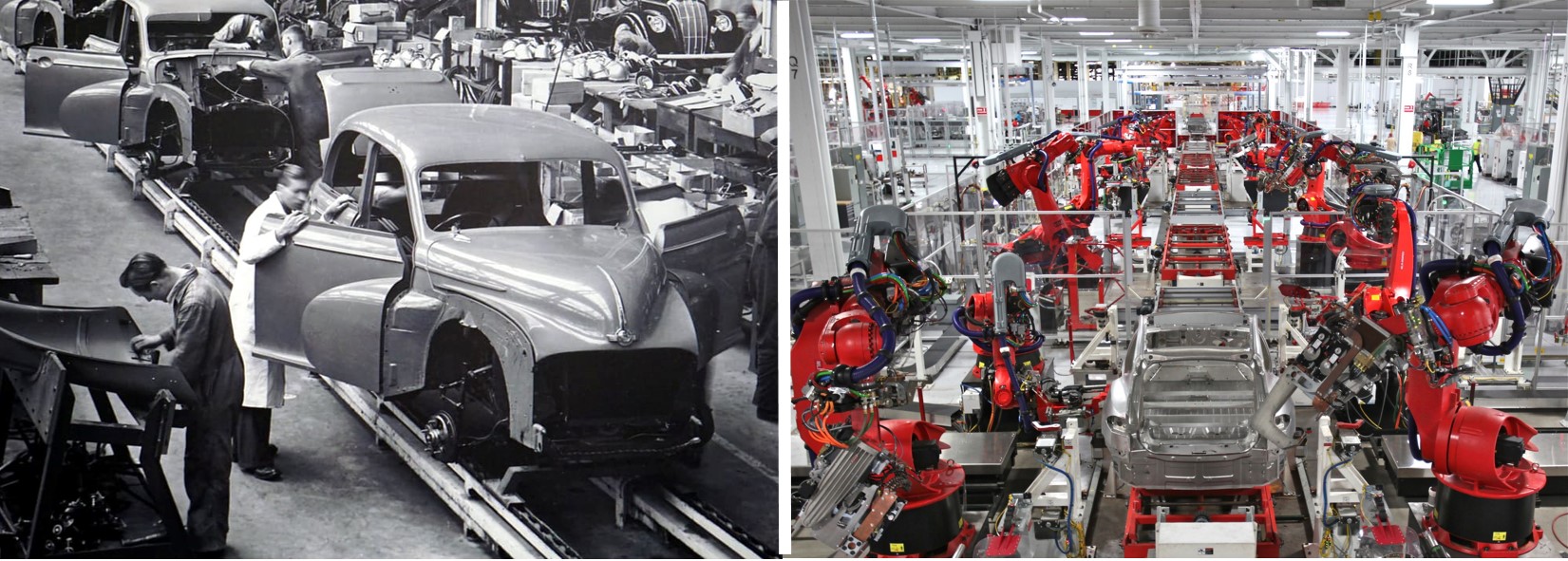
Historical and automated manufacturing lines representing productivity improvements in the industrial sector

Caption: Transitioning from manual to automated lines is a core component of driving total factor productivity and reducing rework. Image Source: Wikimedia Commons.

The Design and Methodology of the ‘Brasil Mais Produtivo’ Program

Recognizing the acute limitations of macro-level fiscal subsidies and the urgent need to address shop-floor inefficiencies, the federal government conceptualized the Brasil Mais Produtivo program. The program is explicitly designed to enhance firm-level productivity by aggressively targeting operational waste, improving energy efficiency, and subsequently introducing lean manufacturing and digital practices.

The strategic brilliance of the B+P program lies in its microeconomic focus. Rather than attempting to alter the macroeconomic environment (which requires complex legislative reforms), the program focuses exclusively on variables entirely within the control of the firm’s management: production line geometry, inventory management, worker movement, and equipment utilization. The foundational phase of the B+P program is rooted in the deployment of “lean manufacturing” methodologies. Adapted from the Toyota Production System, lean manufacturing is a systematic approach to identifying and eliminating activities that absorb resources but create no value for the end customer.

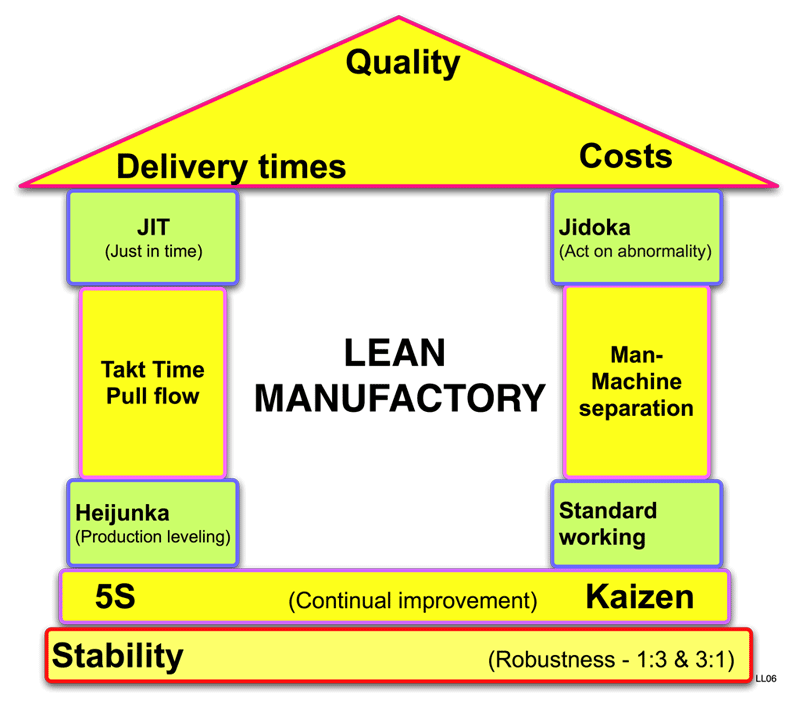
Diagram illustrating the core pillars and foundation of the Lean manufacturing house methodology

Caption: The Lean Manufacturing House methodology, emphasizing waste reduction, which drove the 52.11% productivity increases in the B+P program. Image Source: Wikimedia Commons.

Empirical Impact and Extrapolating to Global Export Growth

The theoretical soundness of the Brasil Mais Produtivo program is unequivocally validated by the empirical performance evaluation conducted by Ipea and Cepal. The primary metric of programmatic success was the impact on the baseline productivity of the manufacturing lines. Upon the conclusion of the 120-hour lean consulting engagements, participating companies registered a staggering average productivity increase of 52.11%. Furthermore, firms experienced an average reduction of 64.82% in product rework, and a 60.6% reduction in unnecessary worker movement on the shop floor.

The optimization of intra-firm performance through the Brasil Mais Produtivo program is not an isolated domestic objective; it serves as the prerequisite foundation for integrating Brazilian manufacturing into highly sophisticated, highly demanding global value chains. The 64.82% reduction in rework and defect rates achieved by B+P participants translates directly into higher yield rates and stricter adherence to international ISO quality standards. In 2023, the total U.S.-Brazil bilateral trade volume reached a robust $74.8 billion. The United States purchased a record $29.9 billion in manufactured products from Brazil, accounting for a massive 81% of total U.S. imports from the country. As Brazilian MSMEs leverage the B+P program to lower their marginal costs and increase production velocity, they become highly competitive sub-tier suppliers for primary export industries.

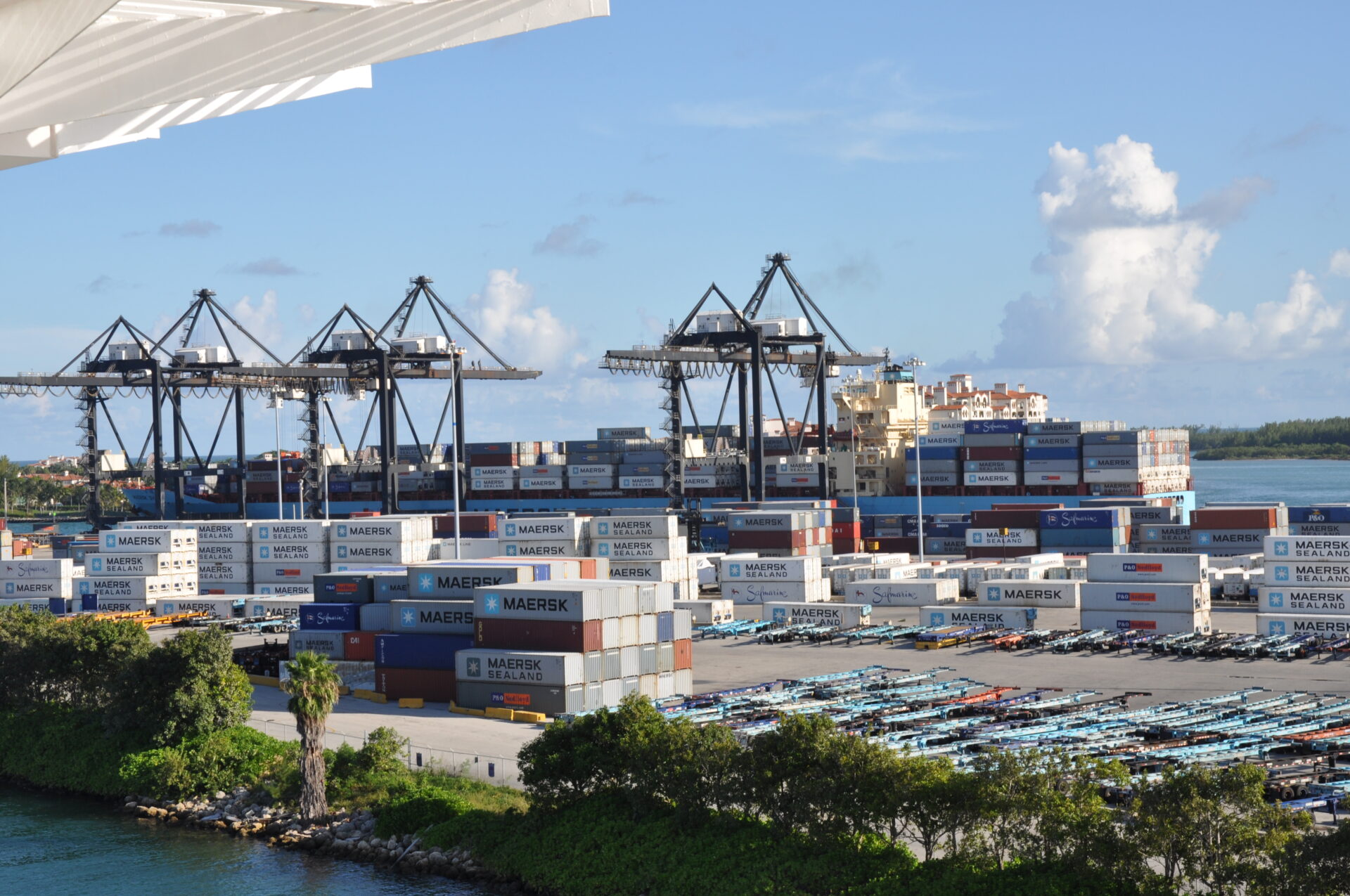
Aerial view of the Port of Miami container yard facilitating international trade logistics

Caption: The Port of Miami serves as a critical logistical gateway facilitating the $74.8 billion in U.S.-Brazil bilateral trade. Image Source: Wikimedia Commons.

Strategic Synergies with the Southeastern United States

The industrial revitalization occurring across Brazil holds profound, highly actionable strategic and commercial implications for the Southeastern United States—specifically the economic and logistical corridors encompassing Florida, Georgia, and Alabama. The Southeastern United States serves as the primary logistical, financial, and commercial gateway to the Latin American and Caribbean (LAC) region.

The modernization of the Brazilian industrial base creates a massive, immediate demand vector for specialized consulting, technological architecture, and supply chain optimization services. Firms seeking to deploy or harmonize lean standards across cross-border subsidiaries can utilize highly specialized experts based in the Southeast. For instance, LJ OKeefe Inc. and Adonis Partners in Atlanta provide expert lean manufacturing and Six Sigma consulting perfectly aligned with the B+P methodologies. Logistics optimization can be supported by Allied Advisors LLC, while Haley & Aldrich ensures human capital alignment.

As Brazilian manufacturing transitions into Phase 2 of B+P (digitalization and Industry 4.0), securing digital supply chains requires resilient IT architecture. Florida-based Warren Averett Technology Group offers vital cybersecurity, while Corsica Technologies and The Hackett Group provide enterprise-level digital transformation solutions. Marketing intelligence can be driven by agencies like BrandLyft.

For state-level trade advisory and investment pathways, SelectFlorida facilitates foreign direct investment, while the Georgia Department of Economic Development and Export Alabama deliver comprehensive international trade services. To maintain situational awareness, entities should leverage intelligence from think tanks such as The USGLC South Initiative, the World Affairs Councils of America, and the Network of Think Tanks of the Americas (CEPAS).

Turn Market Intelligence into Actionable Deals

Ready to optimize your international supply chain or secure vital funding for your next expansion? Download our Free Guide: ‘Navigating Cross-Border Direct Investment & Trade Grants in the Americas’ and discover how Orbis Management empowers Florida SMEs to scale globally.

Disclaimer & Legal Notice: The information contained in this report is intended for general informational and educational purposes only and does not constitute financial, legal, or investment advice. While Orbis Management strives to ensure the accuracy of the data derived from institutional assessments (such as those by Ipea and Cepal), market conditions and policy frameworks are subject to rapid change. Orbis Management makes no representations or warranties of any kind, express or implied, about the completeness, accuracy, reliability, suitability, or availability with respect to the content provided. Any reliance you place on such information is therefore strictly at your own risk. External hyperlinks are provided as a convenience and do not signify an endorsement of the linked entities. Copyright © 2026 Orbis Management. All Rights Reserved.

Program Evaluation Report: The Impact of the ‘More Productive Brazil’ Program on Firm Performance and Global Export Growth – Orbis Management

Add a Comment

Your email address will not be published. Required fields are marked *